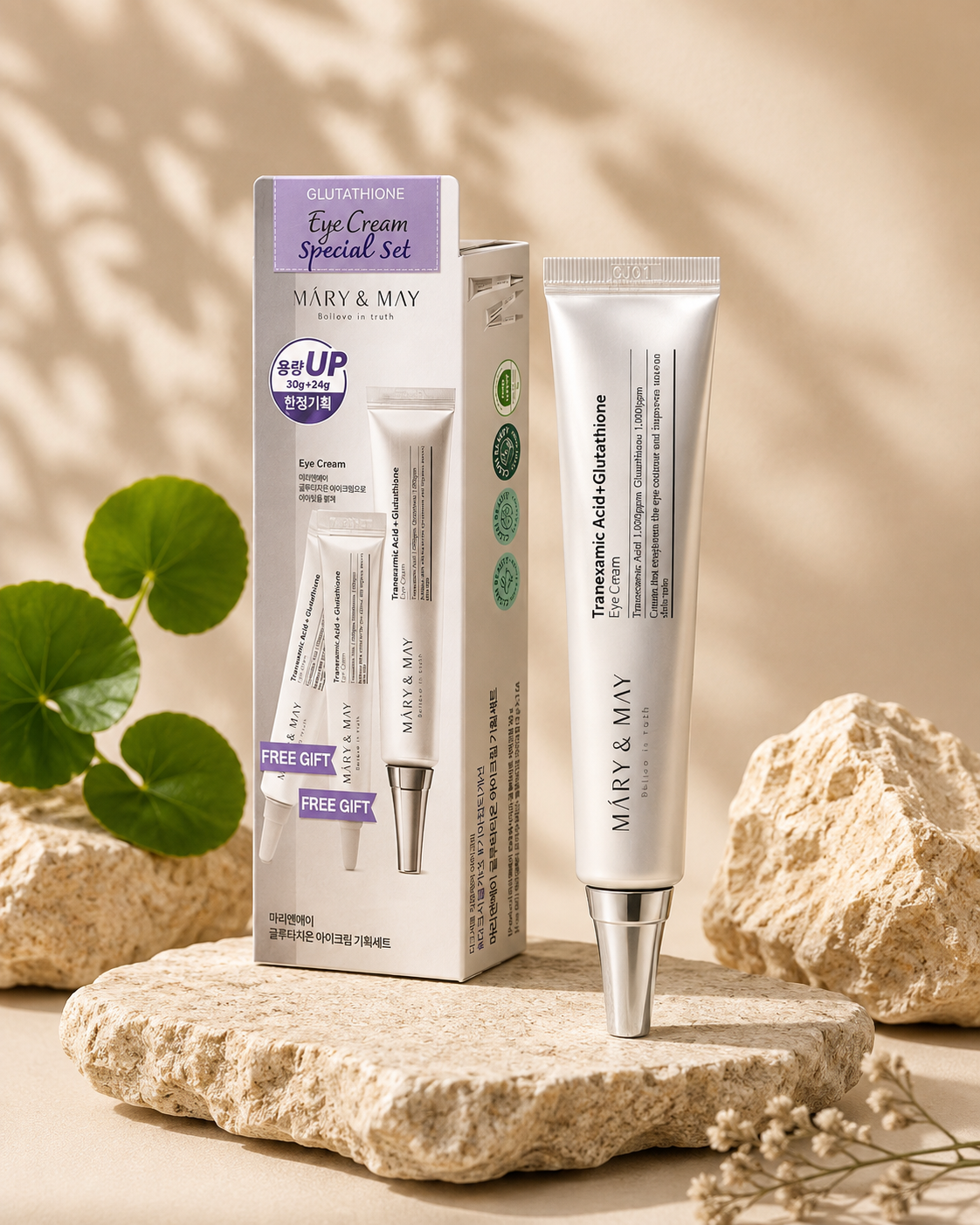
Niacinamide and vitamin C are both marketed for brightening, which makes them sound interchangeable. They're not. They target different mechanisms, suit different skin types, and in some formulations don't layer well together at all.
What niacinamide does
Niacinamide (vitamin B3) regulates oil production, strengthens the skin barrier, and calms inflammation — which is why it's the better pick for oily, acne-prone, or reactive skin. It's also one of the most stable, well-tolerated actives available, with very few reports of irritation even at higher concentrations.
What vitamin C does
Vitamin C is an antioxidant that neutralises free-radical damage from UV and pollution, and it directly inhibits the enzyme responsible for producing excess pigment — making it the stronger option specifically for dark spots and dullness from sun exposure. The tradeoff is stability: vitamin C oxidises quickly once opened and can irritate sensitive skin, especially at higher concentrations.
So which one
- Oily, acne-prone, or reactive skin — start with niacinamide. It's gentler and does more for the underlying barrier issue.
- Sun damage, dark spots, dullness — vitamin C, used consistently, ideally in the morning under SPF where its antioxidant protection compounds with your sunscreen.
- Not sure — niacinamide is the safer starting point for most skin types, including sensitive skin, since it addresses barrier health first.
Concentration actually matters more than the ingredient name
Niacinamide is typically formulated between 2% and 10%. Higher isn't automatically better — concentrations above 5% are where most of the reported irritation and flushing happens, and the jump in benefit from 5% to 10% is smaller than the jump in irritation risk. Starting around 4–5% and staying there is a reasonable long-term choice rather than something to graduate away from.
Vitamin C is more variable by form. L-ascorbic acid, the most-studied and most effective form, is typically used between 10% and 20%, but it's also the least stable and most likely to irritate. Derivative forms — sodium ascorbyl phosphate, ascorbyl glucoside — are gentler and more stable on the shelf, at the cost of being somewhat less potent. If straight L-ascorbic acid has irritated your skin before, a derivative form is worth trying before writing off vitamin C entirely.
How long before you see anything
Niacinamide's barrier and oil-regulation benefits typically show up within two to four weeks of consistent daily use. Vitamin C is slower for its main job — visible fading of dark spots and improved tone generally takes eight to twelve weeks of daily use before it's obvious, since it's working on pigment that's already present rather than preventing new damage. Neither is a same-week fix, and judging either one after a few days of use will always look like it "isn't working."
Patch testing either one
Apply a small amount to the inside of your forearm or behind your ear, and wait 48 hours before judging the result — some irritation shows up immediately, but delayed reactions at 24–48 hours are common enough that a same-day check isn't reliable. This matters more for vitamin C, given its higher irritation potential at higher concentrations, but it's worth doing for any new active, niacinamide included, especially if you have a history of reactive skin.
Layering with the rest of a routine
Some formulations of niacinamide and vitamin C together in the same product can reduce vitamin C's effectiveness, though the effect is smaller than early skincare advice suggested and depends heavily on the specific formulation's pH. If you want to be certain you're getting the full benefit of both, the more reliable approach is niacinamide in one application and vitamin C in a separate one — commonly niacinamide at night and vitamin C in the morning under SPF, which also means vitamin C's antioxidant protection is active exactly when UV exposure is happening.
Both pair well with centella. If either one causes tightness or irritation as you introduce it, a centella ampoule underneath does for niacinamide and vitamin C what it does for retinoids — buffering the irritation without cancelling out the active's effect.
Signs you're using too much, too soon
Persistent flushing or a warm, stinging sensation with niacinamide usually means the concentration is too high for your skin right now, not that the ingredient is wrong for you — dropping to a lower percentage or reducing to every other day is a more useful fix than abandoning it entirely. With vitamin C, the same flushing plus visible dryness or peeling within the first week is the more common pattern, and it typically means either the concentration or the form (straight L-ascorbic acid versus a gentler derivative) needs adjusting.
Neither ingredient should cause ongoing irritation once your skin has adjusted, which normally takes one to two weeks of gradual introduction. If discomfort is still showing up after that window, that's a signal to change the product, not to push through it.
What a realistic combined routine looks like
Morning: cleanser, vitamin C, moisturiser, SPF. Evening: cleanser, niacinamide, moisturiser. This keeps vitamin C where its antioxidant protection is most useful — active during daylight hours, working alongside sunscreen — while giving niacinamide the evening slot where its barrier-repair and oil-regulating work isn't competing with anything else. It's a simple enough split that it doesn't require memorising which nights are which, and it avoids the same-application interaction question entirely.